Laminating adhesives bond multiple layers of films, foils, or paper to
create strong, durable, and protective packaging structures.
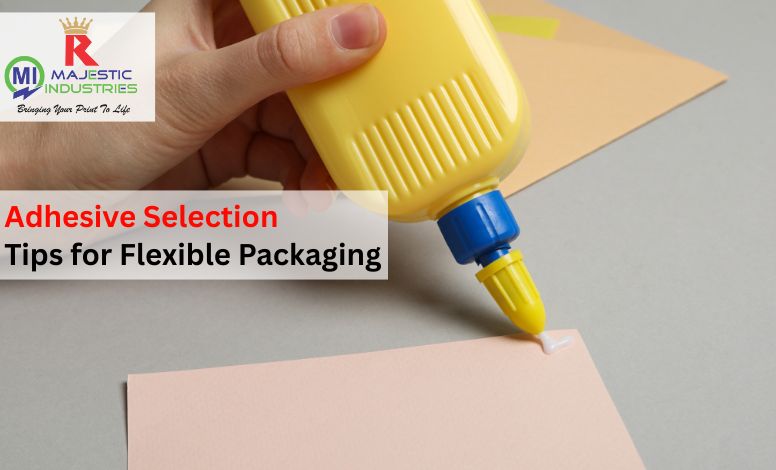
Flexible packaging has emerged as one of the most widely adopted packaging formats across industries such as food and beverages, pharmaceuticals, personal care, and fast-moving consumer goods. Its popularity is driven by several advantages, including lightweight construction, reduced material usage, cost efficiency, and exceptional design flexibility. These benefits allow brands to create attractive, functional packaging while optimizing logistics and sustainability. However, behind every high-performing flexible package lies a critical yet often overlooked component — laminating adhesives.
Laminating adhesives play a vital role in holding multiple layers of films, foils, or paper together to form a single, durable packaging structure. Selecting the right laminating adhesive ensures strong interlayer bonding, preserves package integrity during handling and transportation, and protects the packaged product throughout its shelf life. With a wide range of adhesive technologies, substrate combinations, and regulatory standards to consider, choosing the correct solution can be challenging. This guide offers practical, industry-focused insights to help packaging converters and manufacturers make informed decisions when selecting laminating adhesives for flexible packaging applications.
Laminating adhesives are responsible for transforming individual packaging materials into a cohesive and functional structure. If the adhesive selection is incorrect, manufacturers may face issues such as delamination, weak seals, odor transfer, or premature package failure. These problems not only affect product quality but can also lead to customer complaints, product recalls, and increased operational costs.
Conversely, the right laminating adhesive significantly enhances packaging performance. It improves durability, maintains visual appeal, and provides resistance to external factors such as heat, moisture, oils, and chemicals. In high-speed packaging environments, adhesive performance directly impacts productivity. Adhesives with consistent bonding strength and optimal curing times help minimize downtime, reduce waste, and ensure smooth production runs.
Understanding the different types of laminating adhesives available is the first step toward selecting the most suitable solution.
Solvent-Based Laminating Adhesives: Solvent-based laminating adhesives are widely known for their superior bond strength and excellent resistance properties. They perform reliably in demanding applications such as food packaging, pharmaceutical packaging, and industrial laminates. These adhesives are particularly effective when laminating challenging substrates like aluminum foil and high-barrier films, where strong adhesion and long-term stability are essential.
Water-Based Laminating Adhesives: Water-based laminating adhesives have gained popularity due to their lower VOC emissions and environmentally friendly formulation. They are commonly used for paper-to-film or paper-to-paper lamination where moderate bonding strength is sufficient. These adhesives are ideal for brands and converters that prioritize sustainability while maintaining acceptable performance levels.
Solvent-Free Polyurethane Laminating Adhesives:Solvent-free laminating adhesives are increasingly preferred in modern flexible packaging operations. They offer strong bonding performance, faster curing, and excellent compliance with food safety regulations. Their low-migration characteristics make them particularly suitable for food and pharmaceutical packaging, where consumer safety is a top priority.
Choosing the right laminating adhesive requires a thorough evaluation of several critical factors:
Substrate Compatibility: Ensure the adhesive is compatible with materials such as PET, BOPP, CPP, aluminum foil, and paper to achieve reliable bonding.
Bond Strength Requirements: Packaging structures must withstand handling, sealing, transportation, and storage without compromising integrity.
Curing Time: Adhesives with faster curing times can improve production efficiency and reduce inventory holding periods.
End-Use Application: Food, medical, and industrial packaging each demand different performance and compliance characteristics.
Environmental Conditions: Consider exposure to heat, humidity, oils, chemicals, and other environmental factors that may affect adhesive performance.
Cost Efficiency: Balance upfront adhesive costs with long-term benefits such as reduced wastage, fewer failures, and improved operational efficiency.
Flexible packaging often involves laminating multiple substrates, each with unique surface properties. Laminating adhesives must be carefully matched to these materials to ensure consistent and durable bonding. For instance, PET and aluminum foil typically require adhesives with high chemical resistance, while BOPP and CPP films may need surface-treated compatibility for optimal adhesion.
Using an incompatible adhesive can result in issues such as blistering, curling, or delamination during printing, converting, or sealing processes. To avoid these problems, it is recommended to conduct compatibility and performance testing before moving to full-scale production. Proper testing helps identify potential issues early and prevents costly failures later.
In food and pharmaceutical packaging, adhesive safety is non-negotiable. Laminating adhesives must comply with FDA and other global food safety regulations. Solvent-free and low-migration adhesives are often preferred to ensure consumer safety and regulatory compliance.
Beyond safety standards, performance characteristics such as heat resistance, aging stability, and odor neutrality must also be considered. High-quality laminating adhesives maintain consistent performance throughout the product’s shelf life without affecting taste, smell, or appearance. This reliability is essential for preserving brand reputation and customer trust.
Even experienced packaging professionals can make mistakes when selecting laminating adhesives. Common pitfalls include choosing adhesives based solely on price, ignoring substrate compatibility, overlooking curing time requirements, skipping real-world performance testing, and failing to consider regulatory compliance.
Avoiding these mistakes helps ensure consistent packaging quality, improved production efficiency, and long-term operational success.
Selecting the right laminating adhesives is a crucial step in achieving high-quality, reliable flexible packaging. The correct adhesive not only ensures strong bonding and long-term durability but also supports production efficiency, regulatory compliance, and overall packaging performance. By carefully evaluating substrate compatibility, application requirements, safety standards, and environmental conditions, packaging manufacturers can avoid common challenges and deliver consistent results. With the right expertise and adhesive solutions, flexible packaging can meet the evolving demands of modern industries while maintaining product integrity and brand value.
Majestic Group offers advanced laminating adhesives engineered to deliver strong bonding, consistent performance, and compliance with modern packaging standards. Whether your application involves food packaging, industrial laminates, or high-speed flexible packaging production lines, our experienced team can help you identify the right adhesive solution tailored to your specific requirements.
Contact Majestic Group today to enhance your packaging performance with reliable, high-quality laminating adhesive solutions.